
Streamlining Data Integration with Automated Data Quality Checks
The Importance of Data Quality in Integration
In today’s data-driven business environment, decision-makers rely heavily on timely and accurate data. During integration processes, data from various sources are combined into a cohesive data set. This consolidation often exposes inconsistencies, errors, and duplications which can negatively impact the quality of insights derived from the data.
Data quality issues can arise from disparate formats, inconsistent data entry, or outdated information. These challenges are compounded when dealing with large-scale data integration. Hence, ensuring high data quality during integration is crucial for reliable analytics, compliance, and an efficient data ecosystem.
Automated Data Quality Checks: An Overview
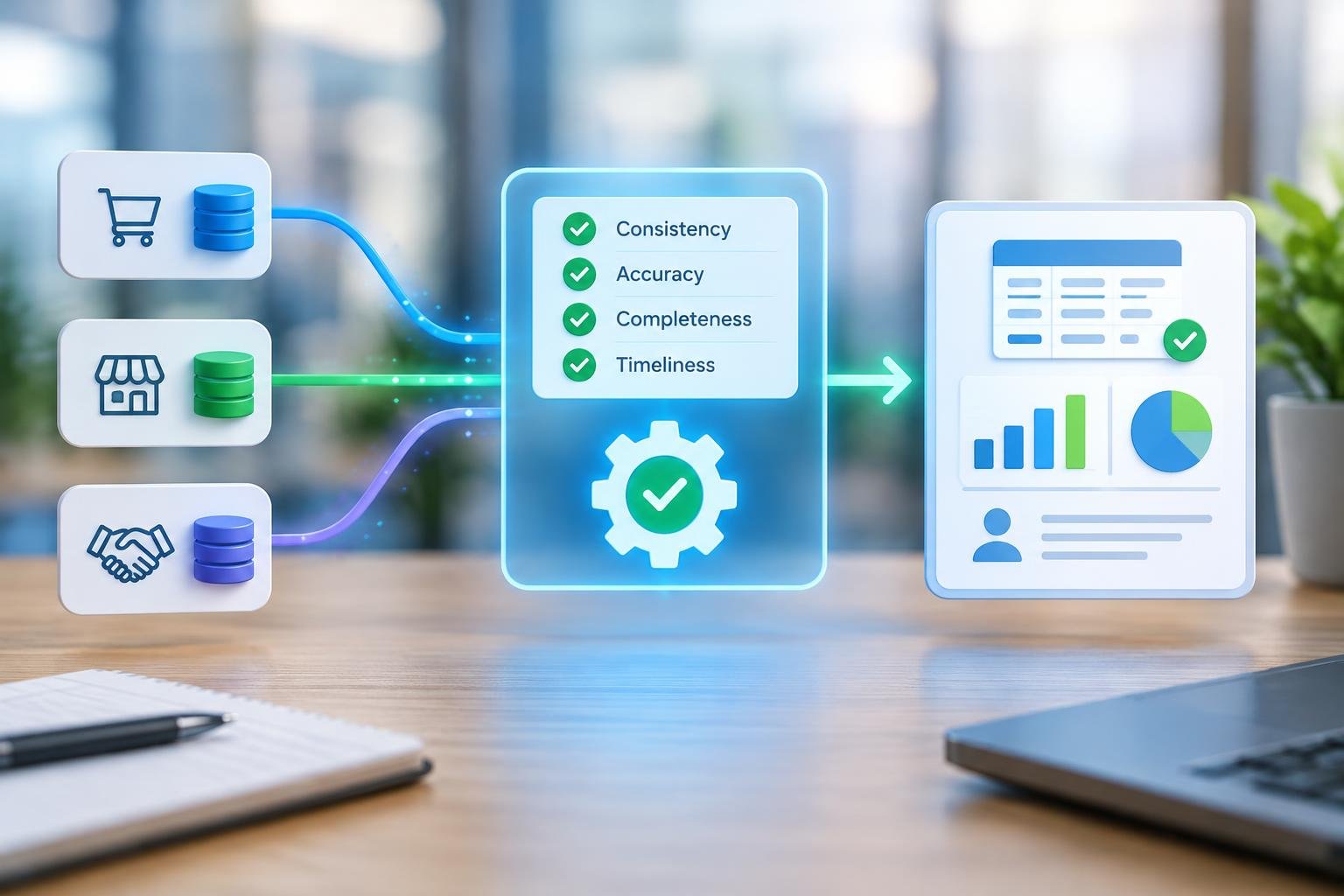
Automating data quality checks involves using software tools to identify and rectify data quality issues in real-time or through scheduled processes. These checks systematically evaluate various aspects of data integrity, such as consistency, accuracy, completeness, and timeliness.
For example, data quality automation can flag inconsistencies in data formats (e.g., date formats between systems), identify missing values that could skew analysis, and verify that data updates in source systems are reflected in integrated datasets. This proactive approach minimizes the manual effort required to sort through reams of data for cleaning and assurance.
Implementing Automated Checks in the Integration Process
To implement automated data quality checks, businesses should first identify key quality metrics aligned with their data governance policies. This might include unique identifiers for cross-referencing datasets or reconciling transaction records against master data.
Next, integrating data quality tools with existing data integration platforms such as ETL (Extract, Transform, Load) systems or data streaming solutions like Apache Kafka can ensure real-time data verification. Such tools often feature rule-based engines that allow organizations to define custom quality checks, alerting stakeholders to resolving issues before they escalate.
Example: Real-World Application in Retail
Consider a retail company integrating data from multiple sales channels (online, in-store, and partners). Automated checks could ensure that pricing data from all channels are consistent and that inventory levels are accurately reflected across the board. As sales transactions update inventory levels in real-time, automated alerts can trigger when discrepancies arise, allowing the company to address stock variances swiftly to prevent customer dissatisfaction.
Furthermore, standardizing customer information across touchpoints using automated quality checks helps in creating a unified customer profile, leading to better personalization and targeted marketing strategies.
Actionable Takeaways
1. Prioritize critical data quality metrics during integration based on business needs and governance policies.
2. Leverage automated data quality tools for continuous monitoring and validation throughout the integration process.
3. Customize quality rules to cater to specific industry and organizational requirements, ensuring these are consistently applied across all data flows.
4. Periodically review and update quality checks to adapt to changing data landscapes and evolving business objectives.